
Food waste is not always the leftover we throw away. The food system that includes the process, packaging, transporting or distribution, to when the waste rots in soil, releases methane gas.
This greenhouse gas emission contributes to climate change. Based on the UN report, 30% food goes to waste even before it is served to our table. The transport also takes part, of course. A study discovered that up to 61% of food-related greenhouse gas comes from our homecooking.
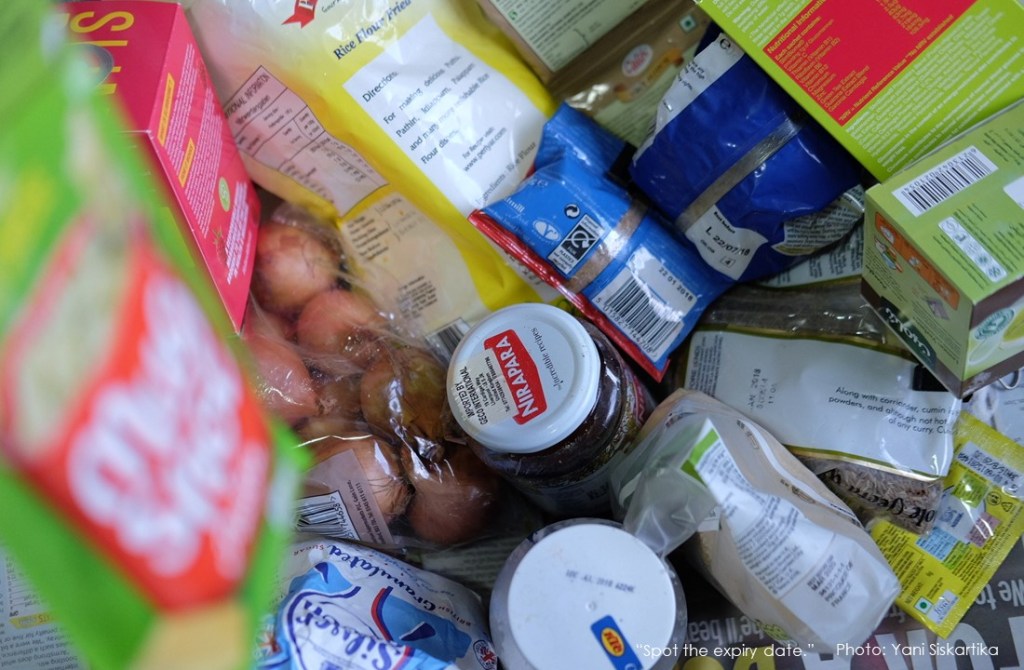
Newcastle is recognised as a global climate leader by CDP, an international non-profit organisation confronting environmental issues, appointed as the 3rd city in the UK given the top ‘A’ grade for the efforts to become carbon neutral by 2030. Surprisingly, not many citizens were aware of this, based on an interview with Stuart McCabe, a citizen and law student of Northumbria, a part of climate change think-tank in student hub. Further, many were not aware of the food waste impact on climate change. However, according to McCabe, the best possible way most students and citizens prefer to tackle climate change, is commuting with bike instead of taking public transport.
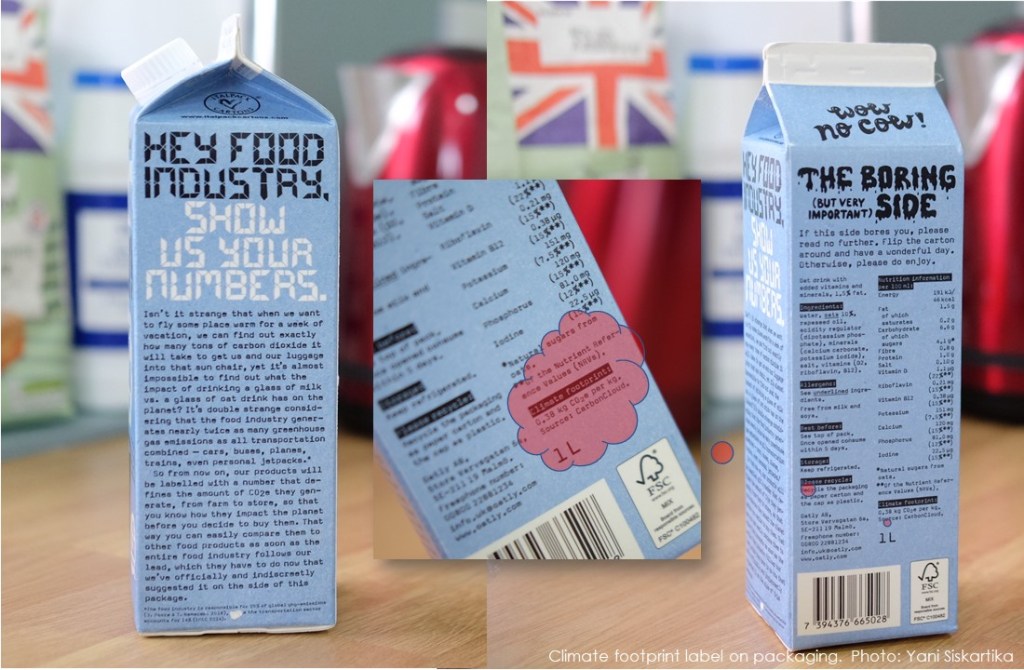
Nowadays, FMCG companies’ focuses are in transition to a plant-based product and in transporting. Oatly, a Sweden plant-based meals company with a strong market in the UK, has its concern. Speaking with the Communications Manager Linda Nordgren, the company, being active in plant-based movement, has made an effort labelling the CO2 emission on its packaging. In calculating the number, “We didn’t do the calculations ourselves, but by a research company CarbonCloud. The model is based on twenty years of research, with a wide range of scientific publications. The calculations are based on analyses of the various steps in the product’s “life”—in our case, from farm to shop, from shop to home, and to table,” In a land use research data, Nordgren added, “Food waste higher rate is shown on the land use for animal rather than harvesting plant, so it’s a major step to take plant-based movement. Not an easy act, but we expect inspire others, to prevent further climate change damage.”
A consumer in Newcastle and a PhD chemical engineering student, Ekaete Utuk, shared her brilliant tips of minimising the waste by utilising shells or peels. “We can grind the eggshells to make abrasive agent for cleaning kitchen equipment,”. Pointed out a from-garden-to-table concept, “Growing our plant for food can eliminate energy for transporting to a supermarket. Having frozen milk in containers, meals plan for the week ahead, can reduce our food waste”. In grocery shopping, “We need to think before action, buy what we need,” referring that expired food in refrigerator can end up in waste. She added, “Hunger in many parts of the world still exists. Food for charity is a brilliant step. It helps us to save food while giving to those in needs,”.
“Hunger in many parts of the world still exists. Food for charity is a brilliant step. It helps us to save food while giving those in needs,”.
Attempts have been made to moving toward the direction, including collaborative Food Waste Road Map. In North of Tyne, the authorities and experts gather in the Citizens’ Assembly on Climate Change. In a release, Councillor Clare Penny-Evans of Newcastle City Council stated, “”We want to take the lead in reducing greenhouse gases, build resilience to the impacts of climate change.”
Are we ready to reduce our food waste? Let’s save our food, save our planet.
#foodwaste #climatechange #plantbasedmove
 The Lens of Energy & Sustainability
Leave a comment